Basal Cell Carcinoma

Basal cell carcinoma (BCC) is the most common type of skin cancer in Australia. While BCCs grow slowly and are unlikely to spread to other parts of the body, they can become invasive if untreated and subsequently cause damage to the surrounding tissues. That’s why early detection and expert treatment are a must to kill cancer cells.

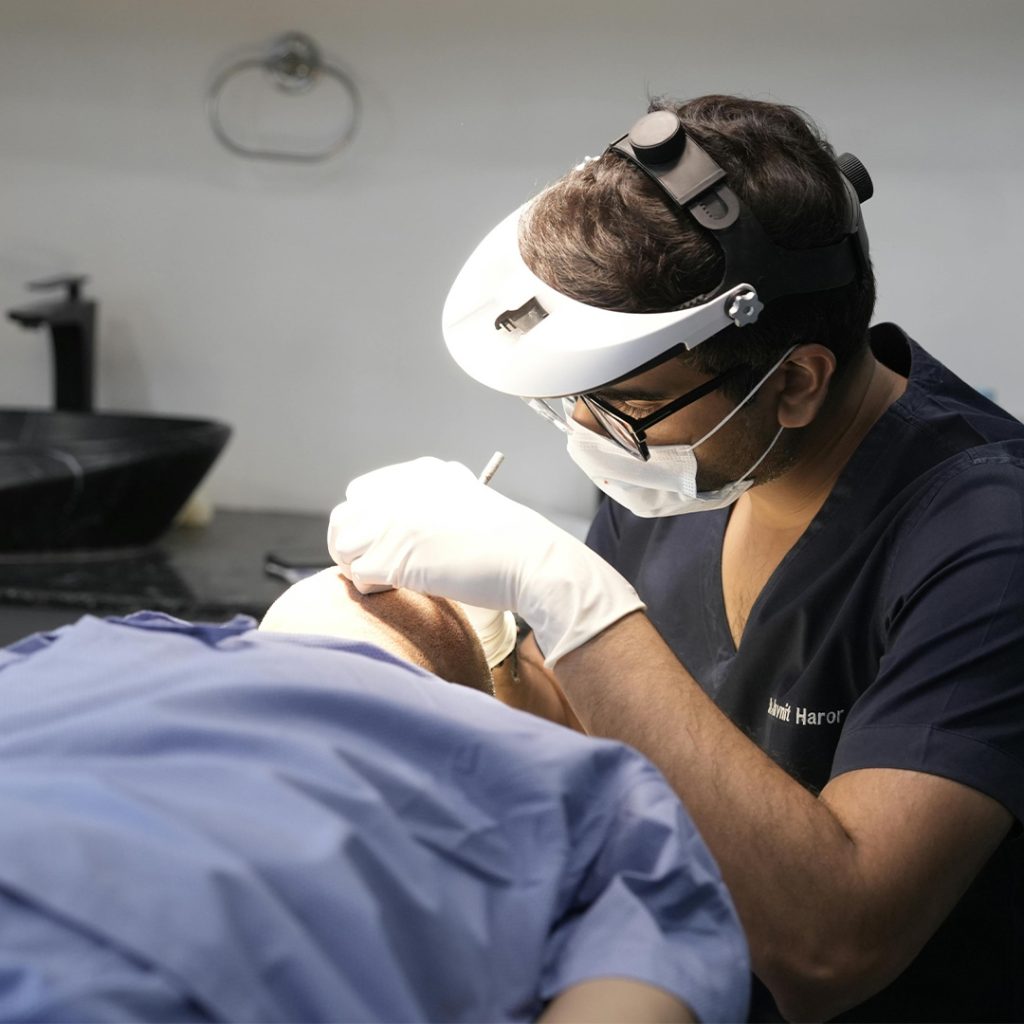
Our highly skilled team of specialist surgeons use the latest surgical and non-surgical treatments in our safe and modern medical facilities. Every patient receives individualised care that matches their specific condition, and we are committed to minimising scarring and preserving the healthy skin.

If you have been diagnosed with BCC, or if you have noticed a persistent or unusual skin lesion, our team will guide you through the diagnosis, treatment and long-term management of your skin cells.
Book an Appointment Meet our Doctors

What is Basal Cell Carcinoma

Basal cell carcinoma is a non-melanoma skin cancer, classified as a keratinocyte cancer, which originates in the basal cells – small, round cells found in the epidermis (the top layer of the skin). They develop slowly and are most commonly found in areas of the body prone to high amounts of sun exposure, like the face, neck, back and shoulders.

While BCC rarely spreads beyond their original site, if untreated they can grow deeper into the skin and potentially damage muscle, nerves and bone.

We understand that a skin cancer diagnosis can feel overwhelming, which is why we take a caring and reassuring approach with every patient. Using advanced techniques and surgical precision, we deliver a safe and effective treatment that preserves your skin’s function and cosmetic appearance.

Symptoms and Risk Factors

Basal cell carcinoma can appear in a few different forms, and their symptoms will vary depending on their size and depth. Common signs of BCC include:

  • A pearly or waxy bump that appears pink, white or flesh-coloured.
  • A flat, scaly, reddish patch that resembles a persistent sore.
  • A slow-growing lesion with rolled edges and visible blood vessels.
  • A scar-like area that looks shiny and pale, sometimes mistaken for a healed injury.
  • Bleeding, crusting or ulceration in a lesion that doesn’t heal over time.

In terms of the main risk factors for BCC development, basal cell carcinoma is usually caused by long-term sun exposure (ultraviolet radiation), including from tanning beds. Other risk factors include:

  • Fair skin, light hair and blue or green eyes, which are more vulnerable to sun damage.
  • A history of sunburns in childhood and adolescence.
  • Regular outdoor exposure without proper sun protection.
  • A weakened immune system, whether due to a medical condition or immunosuppressive medications.
  • Age, as basal cell carcinoma is more common in older adults, although younger people can still develop them.

Types of Basal Cell Carcinoma

A basal cell carcinoma can present itself in a number of different ways, and this will be used to determine the best course of treatment, which will be chosen by your specialist at Montserrat. Different types of BCC include:

Nodular

The most common type. It appears as a pearly, dome-shaped lump with visible blood vessels.

Superficial

Usually found on the torso, arms or legs. It appears as a flat, scaly, red patch that might look like eczema or psoriasis.

Morpheaform (sclerosing)

A less common but more aggressive type that looks like a firm, scar-like lesion. It can be hard to detect.

Pigmented

Similar to nodular BCC but having brown, blue or black pigmentation, which can resemble melanoma.

Our experienced team of healthcare professionals are here to provide you with personalised care and support.

The Differences Between Basal Cell and Squamous Cell Carcinoma

Both basal cell carcinoma and squamous cell carcinoma are classified as non-melanoma skin cancers, but they differ in their appearance and risk factors.

Basal cell carcinoma 


Origin:
Starts in the basal cells, bottom layer of skin, of the epidermis


Appearance:
Pearly, waxy bump; flat scaly patch; ulcerated lesion

Rate of growth: Slow-growing, rarely spreads

Located: Face, neck, scalp, back, shoulders

Risk of metastasis, cancer spreading: Very low – rarely spreads


Treatment:
Surgical removal or topical treatments

Squamous cell carcinoma


Origin:
Develops in the squamous cells, top surface of skin, of the epidermis

Appearance: Rough, scaly, red patch; wart-like growth; open sore

Rate of growth: Faster-growing and can spread to lymph nodes

Located: Sun-exposed areas like lips, ears, hands

Risk of metastasis, cancer spreading: Higher – can metastasise if not treated

Treatment: Requires surgery and sometimes radiation therapy

Ultimately, basal cell carcinoma is the most common type of skin cancer, but squamous cell carcinoma has a higher risk of spreading, especially when it goes undetected. Both types need to be looked at as soon as possible, as early detection leads to much better treatment outcomes.

Diagnosis of Non-Melanoma Skin Cancer

Detecting non-melanoma skin cancer, including basal cell carcinoma, starts with an in-depth clinical examination. Your doctor will check for any suspicious skin lesions, noting their size, colour, texture and whether they have changed over time. Because cancerous cells can resemble benign skin conditions like scars or eczema, you’ll need a proper dermatological evaluation. If a lesion appears abnormal, you will need a skin biopsy, which involves removing a small sample of tissue from the suspicious area and sending it to a pathology lab for a microscopic exam. There are several types of biopsies that could be used:

Shave biopsy
The top layers of the skin are shaved off to be examined.
Punch biopsy
A circular tool is used to remove a deeper core sample of the lesion.
Excisional biopsy
In some cases, the entire lesion might need to be removed in a single procedure. This is helpful because it can both diagnose and treat the cancer at the same time.

If basal cell cancer is confirmed, further tests will be unlikely, as this type of skin cancer doesn’t usually spread. For advanced basal cell carcinoma or aggressive cases, though, imaging tests (ultrasound, MRI, CT scans) might be recommended.

Treatment Options for Diagnosed Basal Cell Carcinoma

Unlike some aggressive cancers, basal cell carcinoma is usually diagnosed at an early stage and doesn’t require the more traditional cancer staging. Your doctor will discuss your specific factors and determine the best treatment options according to the size and depth of the lesion, whether the cancer cells are aggressive or slow-growing, where the cancer is located (lesions on the face or scalp will need more precision when removing), as well as the presence of recurring or previously treated basal cell carcinomas.

Prevention of Skin Cancer

Although basal cell carcinoma is very treatable, preventing new cases is an ongoing mission for medical specialists – especially when managing patients who have already had a history of skin cancer. The leading cause of basal cell carcinoma is prolonged exposure to UV radiation from the sun or tanning beds, so sun protection is the best preventive measure. Here are some practical ways to reduce your risk of getting skin cancer:

Use sunscreen daily

Use a broad-spectrum SPF 50+ sunscreen on all exposed skin, even on cloudy days. Reapply it every two hours, and after swimming or sweating.

Wear protective clothing

Long sleeves, wide-brimmed hats and UV-protective sunglasses will help shield your skin from harmful rays.

Find shade during the day

The sun is at its strongest between 10am and 4pm, so limit your exposure during this time to reduce your risk.

Perform regular skin checks

Look for new or changing spots. Pay attention to any sores that don’t heal, or scaly patches and unusual bumps.

Get your skin checked

Annual skin checks can detect early-stage skin cancers.

Use sunscreen daily

Use a broad-spectrum SPF 50+ sunscreen on all exposed skin, even on cloudy days. Reapply it every two hours, and after swimming or sweating.

Wear protective clothing

Long sleeves, wide-brimmed hats and UV-protective sunglasses will help shield your skin from harmful rays.

Find shade during the day

The sun is at its strongest between 10am and 4pm, so limit your exposure during this time to reduce your risk.

Perform regular skin checks

Look for new or changing spots. Pay attention to any sores that don’t heal, or scaly patches and unusual bumps.

Get your skin checked

Annual skin checks can detect early-stage skin cancers.

Our Doctors

Our team of experienced skin cancer specialists are committed to providing the highest level of care. Using the latest surgical techniques and our world-class facilities, we deliver safe and effective treatment options for basal cell carcinoma and other skin cancers.

If you have concerns about a suspicious skin lesion or have been diagnosed with basal cell carcinoma, our team is here to provide you with expert treatment and compassionate care. Call us today on (07) 3833 6701 for more information or to book an appointment.

Dr Kevin Hung

General Surgeon | FRACS MBBS

No Gap Doctor
Languages: Mandarin (Chinese), Hokkien & English
Dr Rasika Kotakadeniya

General Surgeon | MBBS MS FRACS

No Gap Doctor
Languages: Sinhalese & English
Dr Grace Lim

General Surgeon | MBBS, MS, FRACS

No Gap Doctor
Telehealth
Languages: Malay, Mandarin & English
Our experienced team are here to provide you with personalised care and support.